

In recent years, there has been a significant advancement in the field of Artificial Intelligence (AI) and Augmented Reality (AR). These technologies have become increasingly popular and have the potential to enhance virtual experiences in various fields such as gaming, education, healthcare, and...
A Program Analyzes Patient Complaints and Refers Them to the Right Specialist
3
18.10.2026
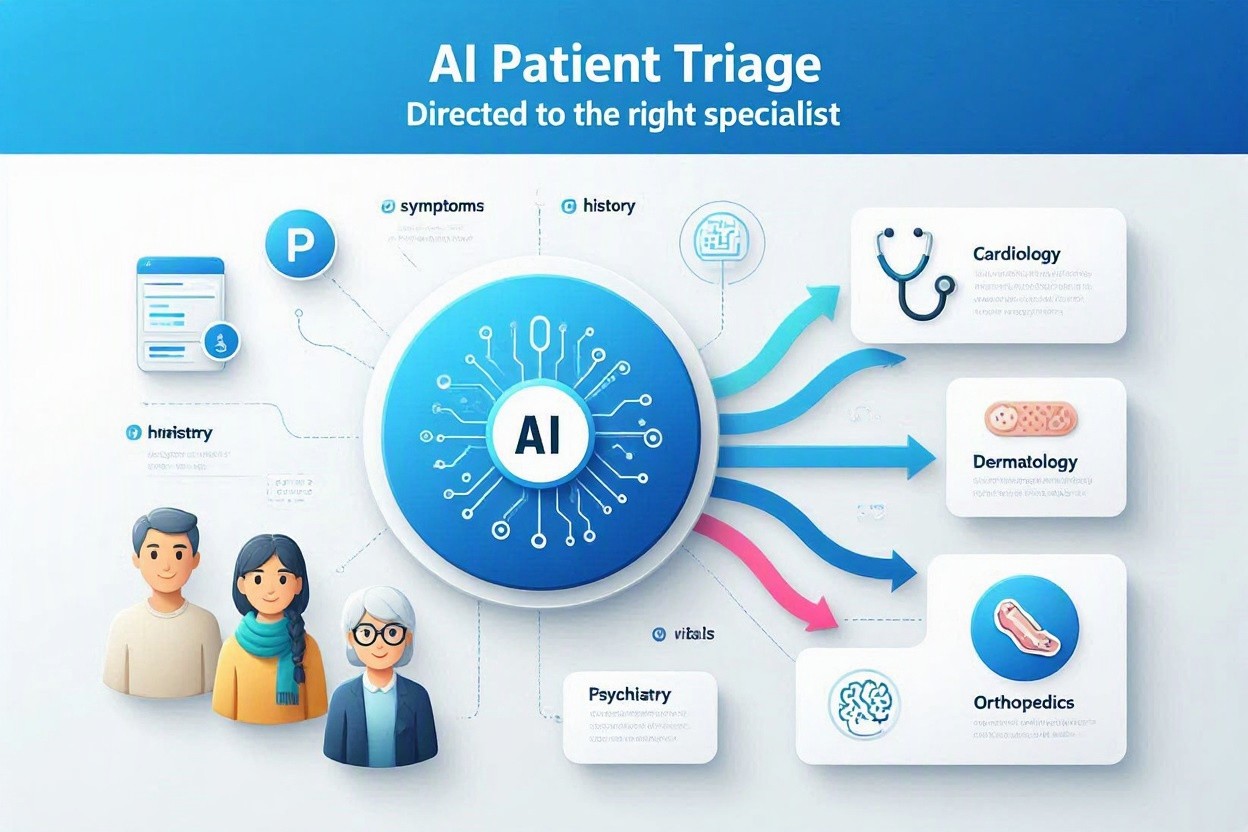
Finding the right doctor is not always simple. A patient may describe chest pressure, fatigue, dizziness, stomach pain, or anxiety, but those symptoms can point to very different medical causes. An intelligent triage program helps solve this problem by analyzing patient complaints, identifying clinical patterns, and recommending the most appropriate specialist or level of care.
Such systems are not designed to replace physicians. Their purpose is to support early navigation, reduce delays, and help patients avoid unnecessary appointments. When used correctly, digital triage can make healthcare more accessible, organized, and patient-centered.
How the Program Understands Patient Complaints
The process begins when a patient enters symptoms in plain language or answers structured questions. The program may ask about pain location, duration, severity, triggers, age, medical history, medications, allergies, pregnancy status, and warning signs. Modern systems use natural language processing to interpret everyday descriptions such as “tightness in my chest,” “pins and needles in my hand,” or “constant headaches after work.”
Symptom Mapping and Clinical Logic
After collecting information, the program maps symptoms to possible medical categories. For example, recurring knee pain after running may be linked to orthopedics or sports medicine, while blurred vision and eye pain may require ophthalmology. Digestive discomfort with weight loss may suggest gastroenterology, while persistent sadness, insomnia, and loss of interest may point toward mental health support.
The program also considers urgency. Some complaints should not be routed to a routine appointment. Severe chest pain, signs of stroke, breathing difficulty, heavy bleeding, or sudden confusion require emergency care. A responsible triage tool must recognize these red flags and advise immediate medical attention.
Which Specialists Can Be Recommended?
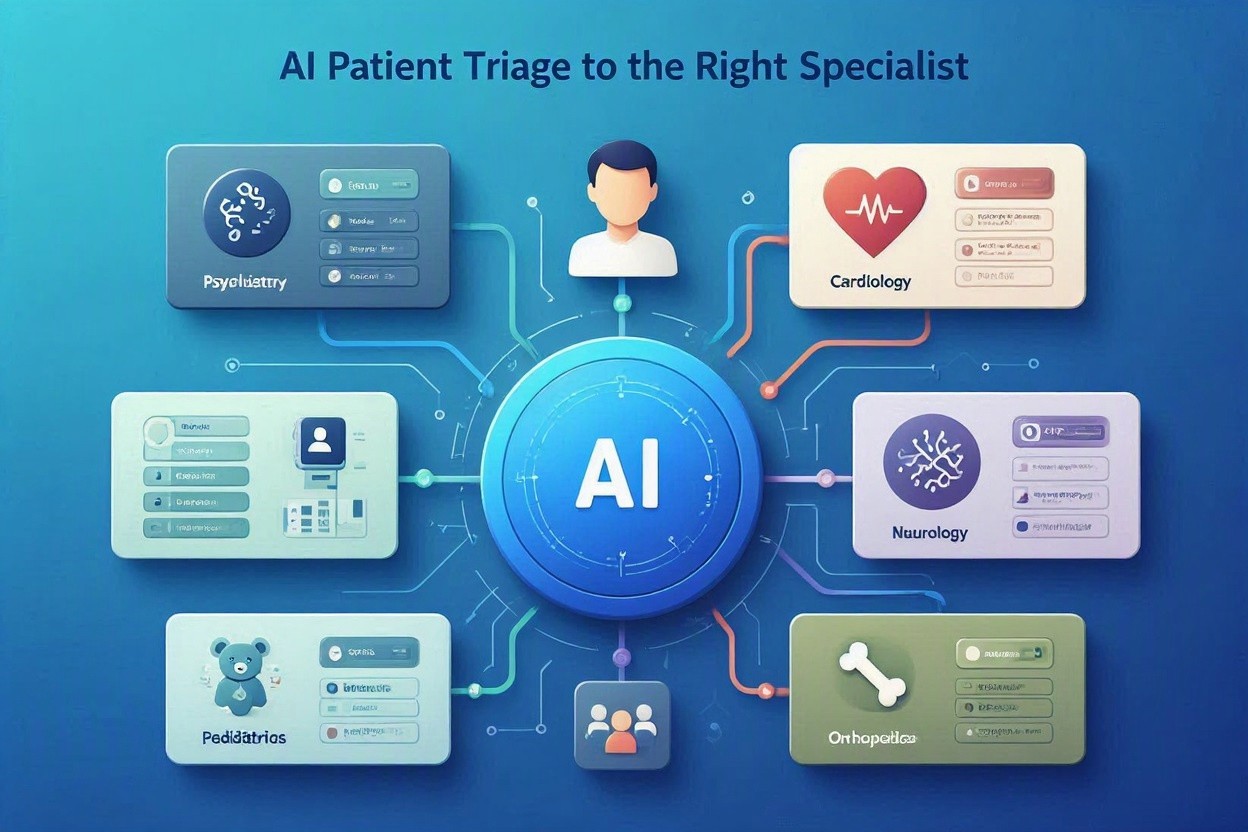
A well-designed referral program can direct patients to a wide range of medical professionals depending on the symptom profile. It may also suggest starting with a primary care physician when symptoms are broad or unclear.
- Cardiologist: chest discomfort, palpitations, shortness of breath, high blood pressure.
- Neurologist: migraines, numbness, tremors, seizures, balance problems.
- Dermatologist: rashes, changing moles, acne, persistent itching.
- Gastroenterologist: chronic abdominal pain, reflux, bowel changes, liver concerns.
- Endocrinologist: diabetes, thyroid symptoms, unexplained weight changes.
- Orthopedist: joint pain, fractures, back pain, limited mobility.
- Psychiatrist or psychologist: anxiety, depression, panic attacks, sleep-related distress.
Primary Care as a Smart First Step
Not every complaint needs immediate specialist care. Many symptoms overlap between conditions. Fatigue, for instance, may be related to anemia, thyroid disease, depression, infection, poor sleep, or medication effects. In these cases, the program may recommend a general practitioner for examination, basic testing, and coordinated referral if needed.
Benefits for Patients and Clinics
Digital complaint analysis can improve both patient experience and clinic efficiency. Patients receive clearer guidance, while medical centers can reduce misdirected appointments and improve scheduling accuracy. This is especially valuable in systems where specialist availability is limited.
- Faster navigation: patients know where to start instead of guessing.
- Better prioritization: urgent symptoms can be escalated quickly.
- Lower administrative burden: staff spend less time redirecting appointments.
- Improved continuity: symptom summaries can help clinicians prepare for visits.
- Reduced unnecessary visits: patients are less likely to book the wrong specialist.
Safety, Privacy, and Medical Responsibility
Because health data is sensitive, privacy must be built into the system. Secure storage, encryption, access control, and transparent consent are essential. Patients should know what information is collected, how it is used, and whether it is shared with healthcare providers.
Why Human Oversight Still Matters
No algorithm can fully understand every medical situation. Symptoms may be vague, patients may omit important details, and rare conditions may not fit common patterns. For this reason, the program’s recommendation should be treated as guidance, not a final diagnosis. A licensed clinician remains responsible for examination, diagnosis, and treatment decisions.
What Makes a Triage Program Reliable?
A trustworthy system should be developed with medical experts, tested against real clinical scenarios, and updated as guidelines change. It should explain recommendations in simple language and avoid creating false certainty. The best programs are transparent about limitations and provide clear instructions when symptoms may be urgent.
Accuracy also improves when the tool asks targeted follow-up questions instead of relying on a single complaint. For example, “headache” alone is too broad. But headache with fever, neck stiffness, sudden onset, vision changes, or recent trauma changes the level of concern dramatically.
The Future of Automated Specialist Referral
As healthcare becomes more digital, programs that analyze patient complaints will play a larger role in first-contact care. Integrated with telemedicine platforms, electronic health records, and appointment systems, they can guide patients from symptom entry to the correct care pathway.
The real value is not in replacing medical judgment, but in improving access to it. When patients are directed to the right specialist sooner, they save time, clinics use resources more effectively, and serious conditions are less likely to be overlooked. A careful, secure, and clinically supervised triage program can become an important bridge between patient concerns and appropriate medical care.