

Blog
3
18.10.2026
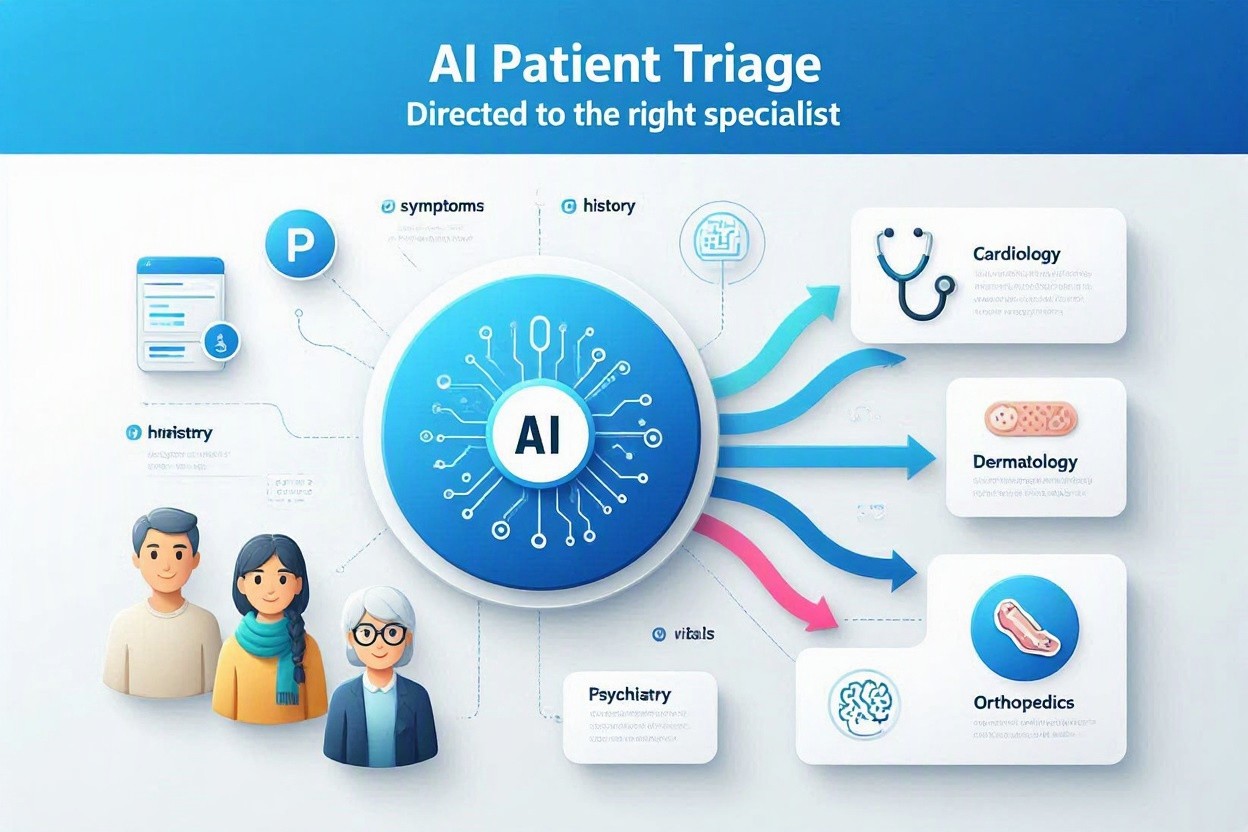
Finding the right doctor is not always simple. A patient may describe chest pressure, fatigue, dizziness, stomach pain, or anxiety, but those symptoms can point to very different medical causes. An intelligent triage program helps solve this problem by analyzing patient complaints, identifying clinical patterns, and recommending the most appropriate specialist or level of care.
13
17.10.2026
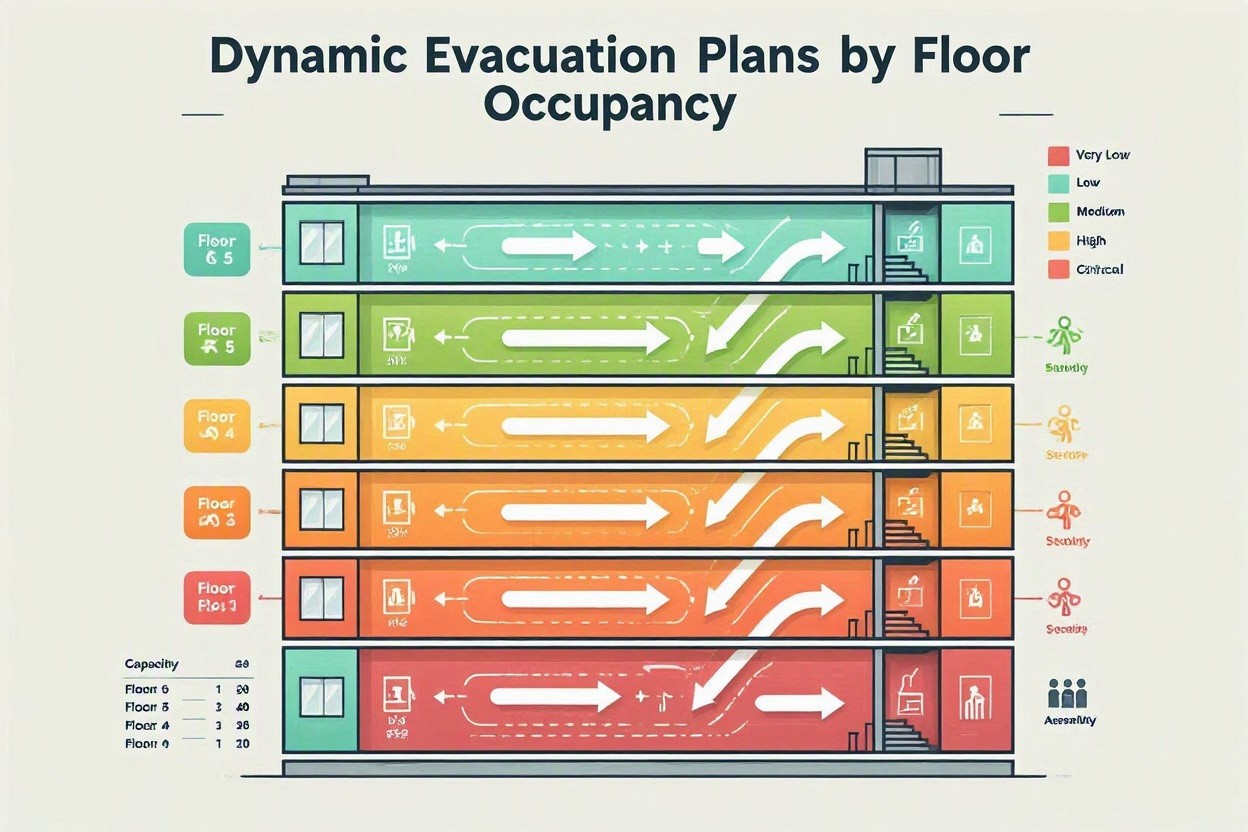
Modern buildings are rarely static. A lecture hall may be full at noon, a production floor may run a night shift, and an office tower may have visitors concentrated near meeting rooms. A fixed evacuation diagram on a wall is still necessary, but it cannot reflect these changing conditions. A program that draws up a building evacuation plan accounting for current floor occupancy adds a dynamic layer to emergency planning: it recommends routes, estimates congestion, and helps safety teams respond to the building as it actually is.
16
16.10.2026
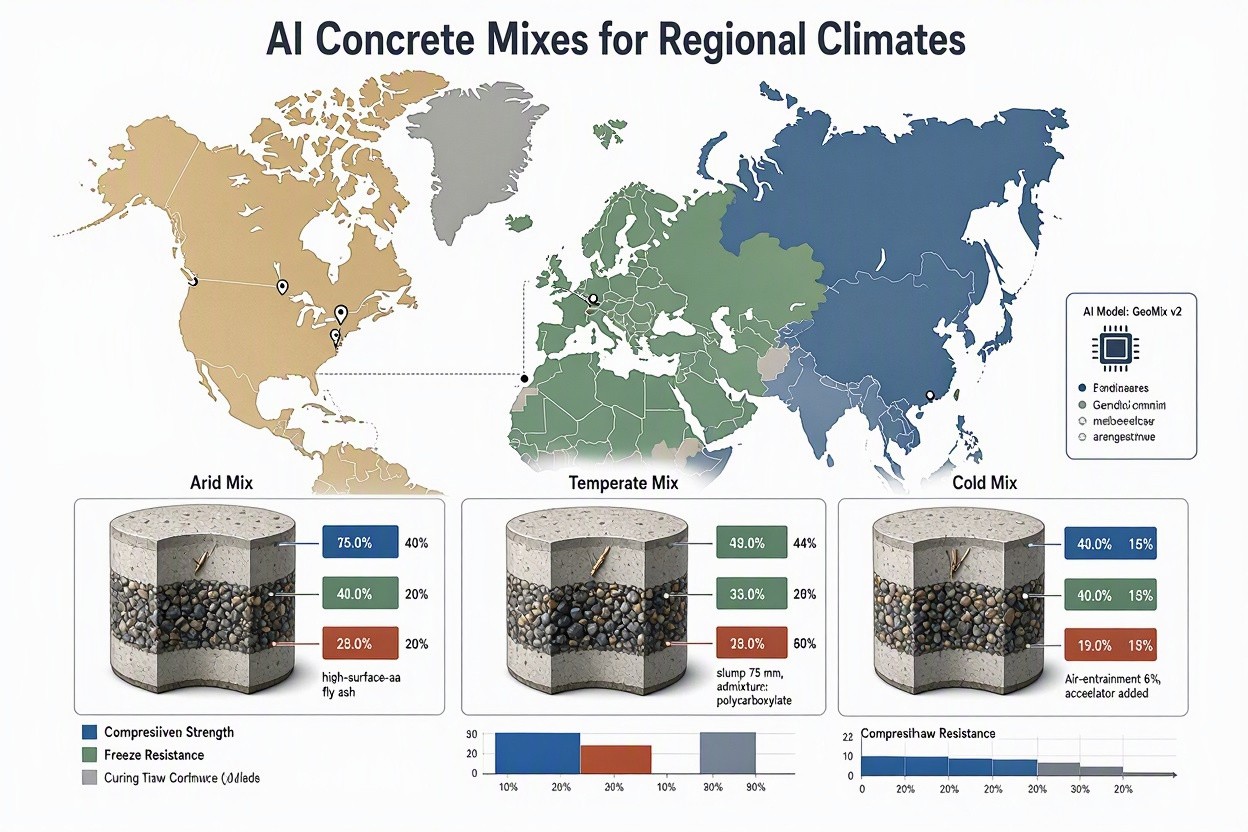
Concrete that performs well in one region can fail early in another. Heat, frost, humidity, wind, salt exposure, rainfall patterns, and local raw materials all influence strength development and long-term durability. Artificial intelligence is changing how engineers respond to these variables. Instead of relying only on standard mix tables and repeated trial batches, AI systems can analyze climate data, material properties, project requirements, and performance history to recommend concrete compositions tailored to a specific location.
24
15.10.2026
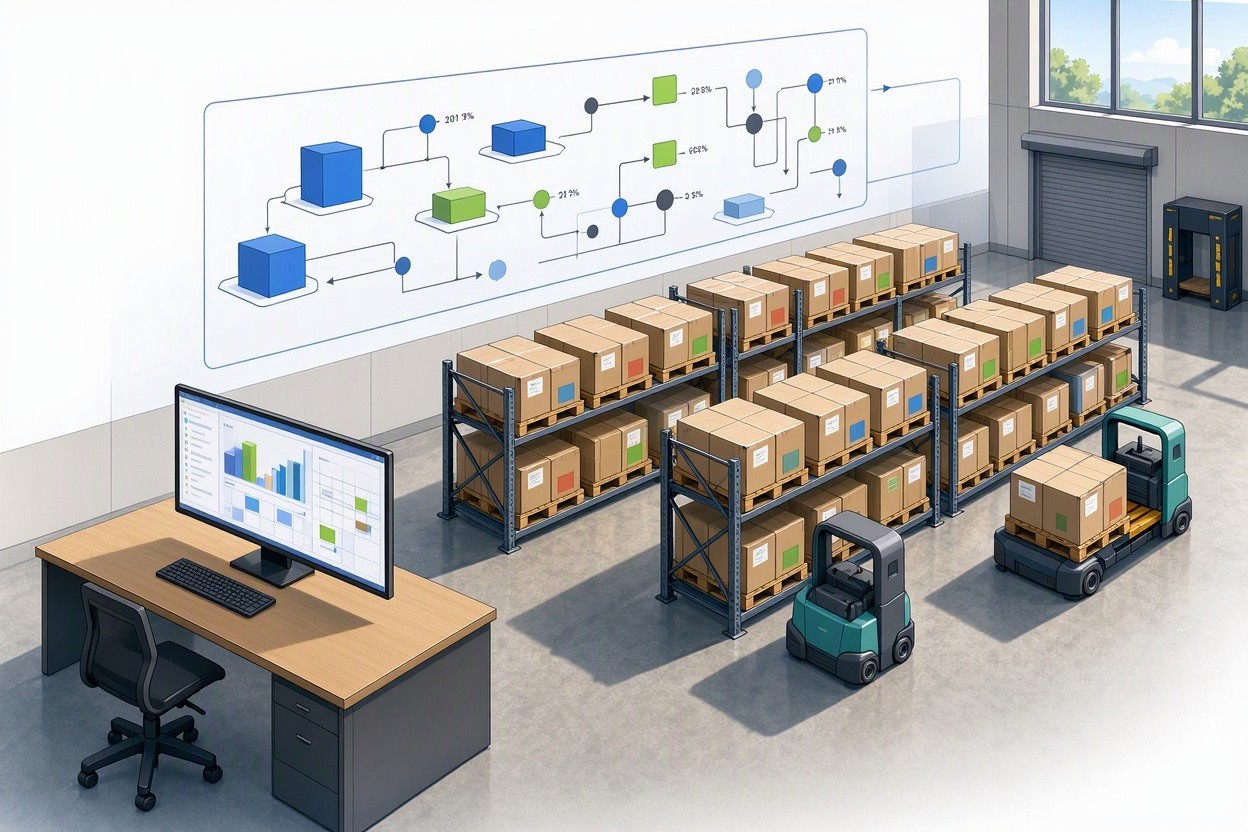
Warehouse space is expensive, and poor capacity planning quickly turns into higher labor, transport, and inventory costs. When products are stored in the wrong zones, workers travel farther, forklifts wait longer, and outbound orders miss shipping windows. A warehouse optimization algorithm solves this problem by using data to decide where inventory should be placed, how much space should be reserved, and when stock should be moved or replenished.
21
14.10.2026
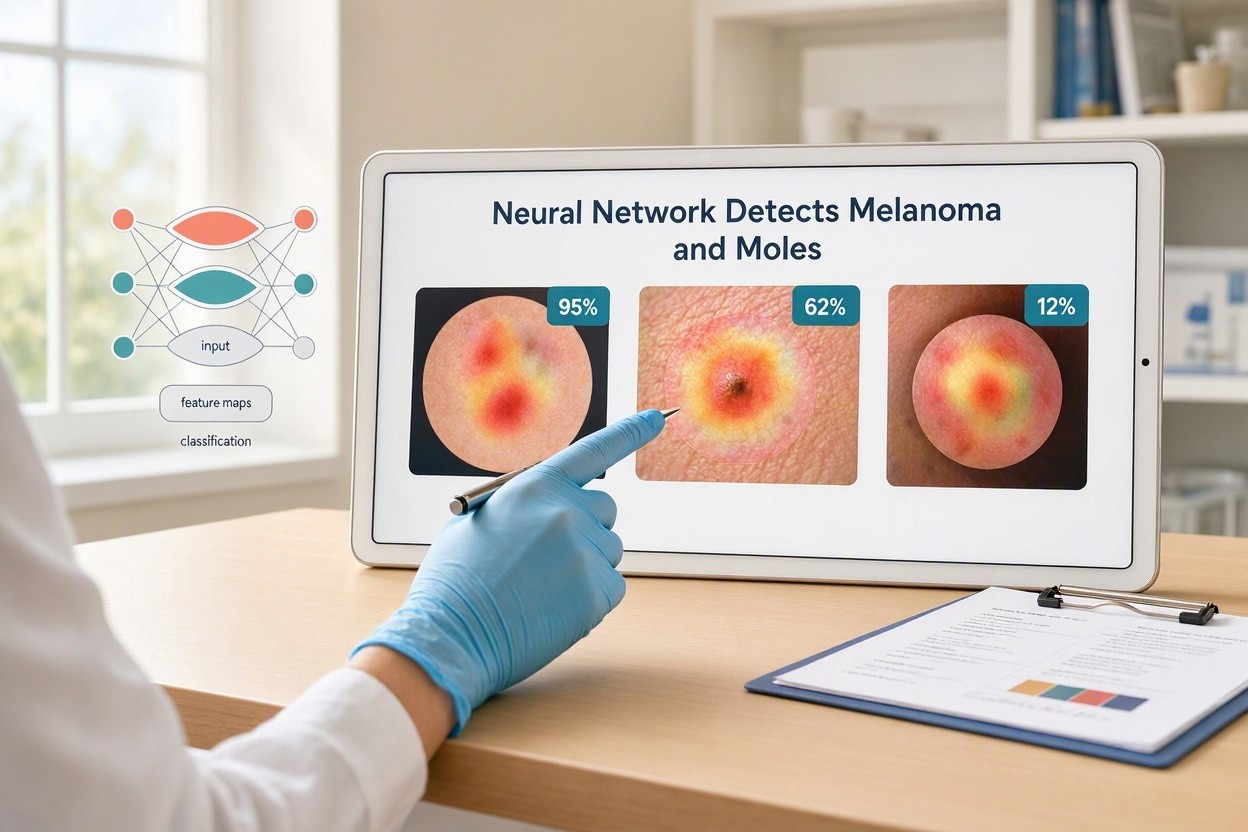
Melanoma is one of the most dangerous forms of skin cancer because it can spread quickly if it is not detected early. At the same time, many harmless moles may look unusual, especially to the naked eye. This creates a difficult clinical challenge: dermatologists must identify dangerous lesions without causing unnecessary anxiety or excessive biopsies. Today, neural networks are becoming valuable diagnostic support tools, helping specialists distinguish melanoma from benign moles with greater consistency.
46
13.10.2026
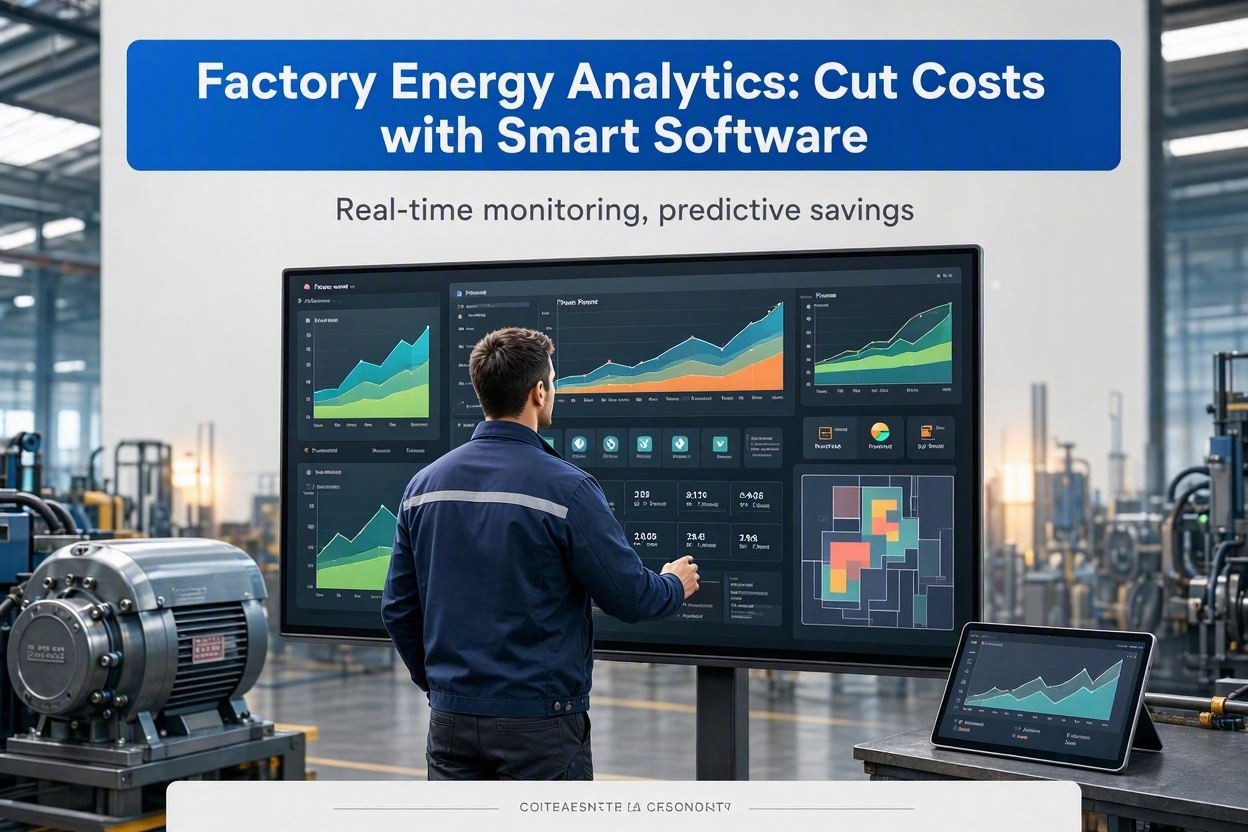
Energy is often one of the largest controllable expenses in a factory. Motors, compressors, chillers, ovens, pumps, lighting, and HVAC systems may run for thousands of hours each year, sometimes at the wrong time or under inefficient conditions. A modern energy analysis program turns this complex consumption pattern into clear operational insight. By collecting data, detecting waste, and recommending targeted actions, it helps manufacturers reduce costs without compromising production quality.
47
12.10.2026
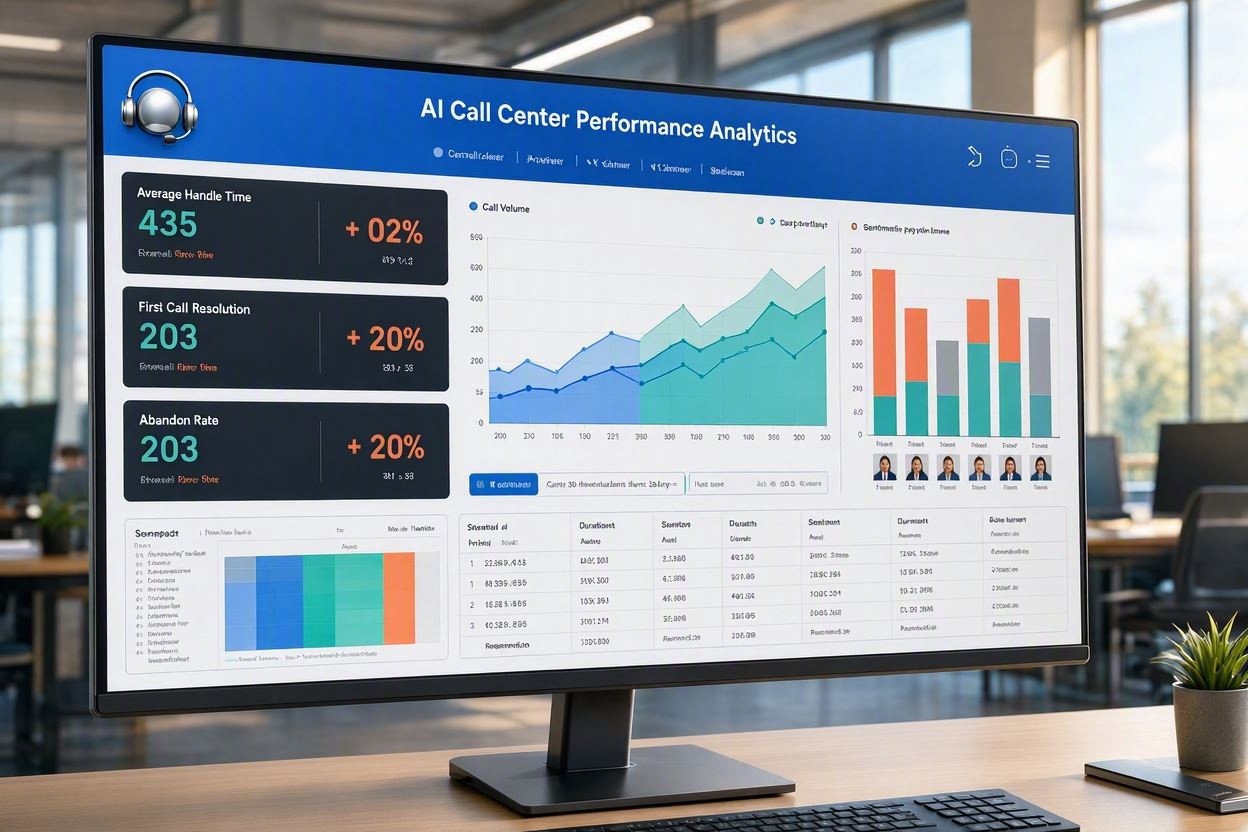
Modern call centers generate thousands of customer interactions every day, yet many teams still rely on manual call reviews, fragmented reports, and supervisor impressions to evaluate employee performance. An algorithm designed for call center analytics changes this process by examining conversations, operational metrics, and customer outcomes at scale. Instead of replacing managers, it gives them a clearer, faster, and more consistent way to understand how agents work and where they can improve.
50
11.10.2026
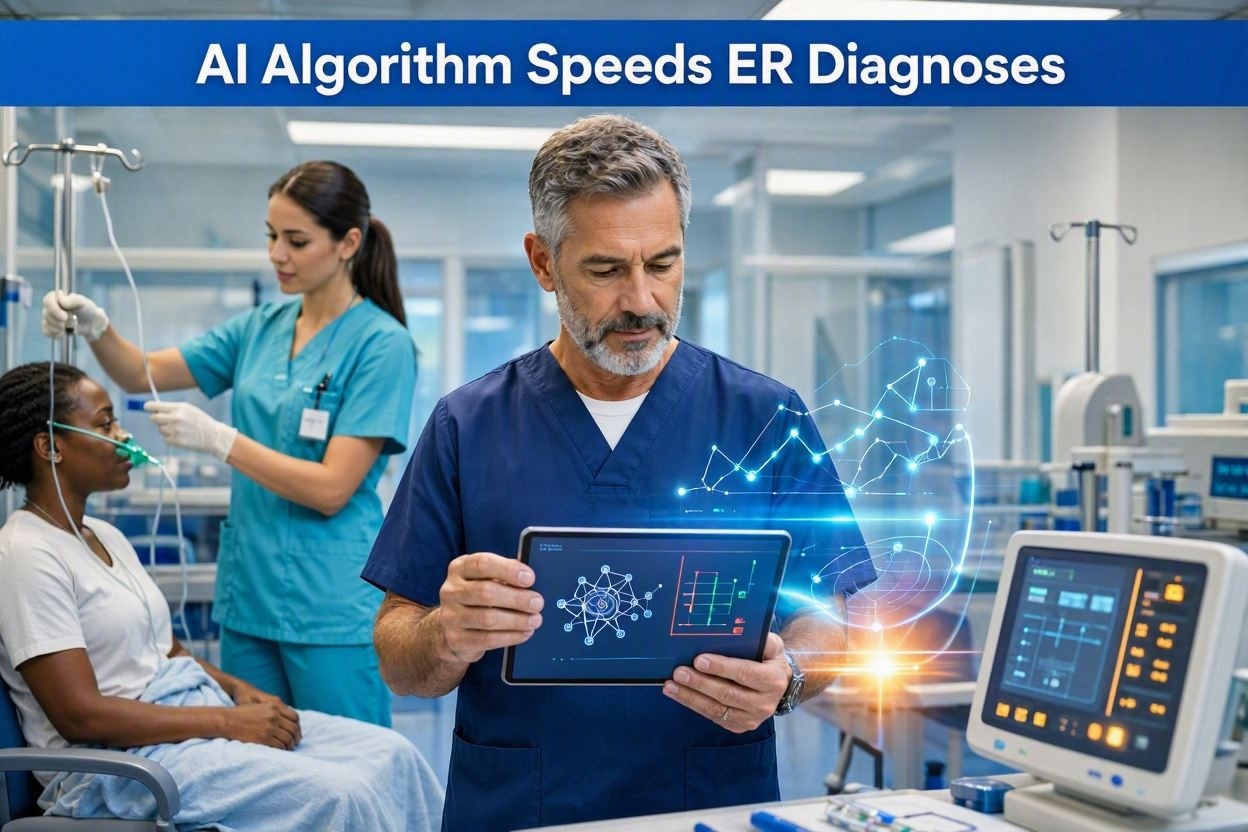
Emergency departments are designed for uncertainty. A patient may arrive with chest pain, confusion, fever, shortness of breath, or vague weakness, and clinicians must quickly decide whether the cause is minor, serious, or immediately life-threatening. A new generation of diagnostic algorithms is helping emergency doctors make those decisions faster by analyzing patient information as soon as the person enters the hospital.
53
10.10.2026
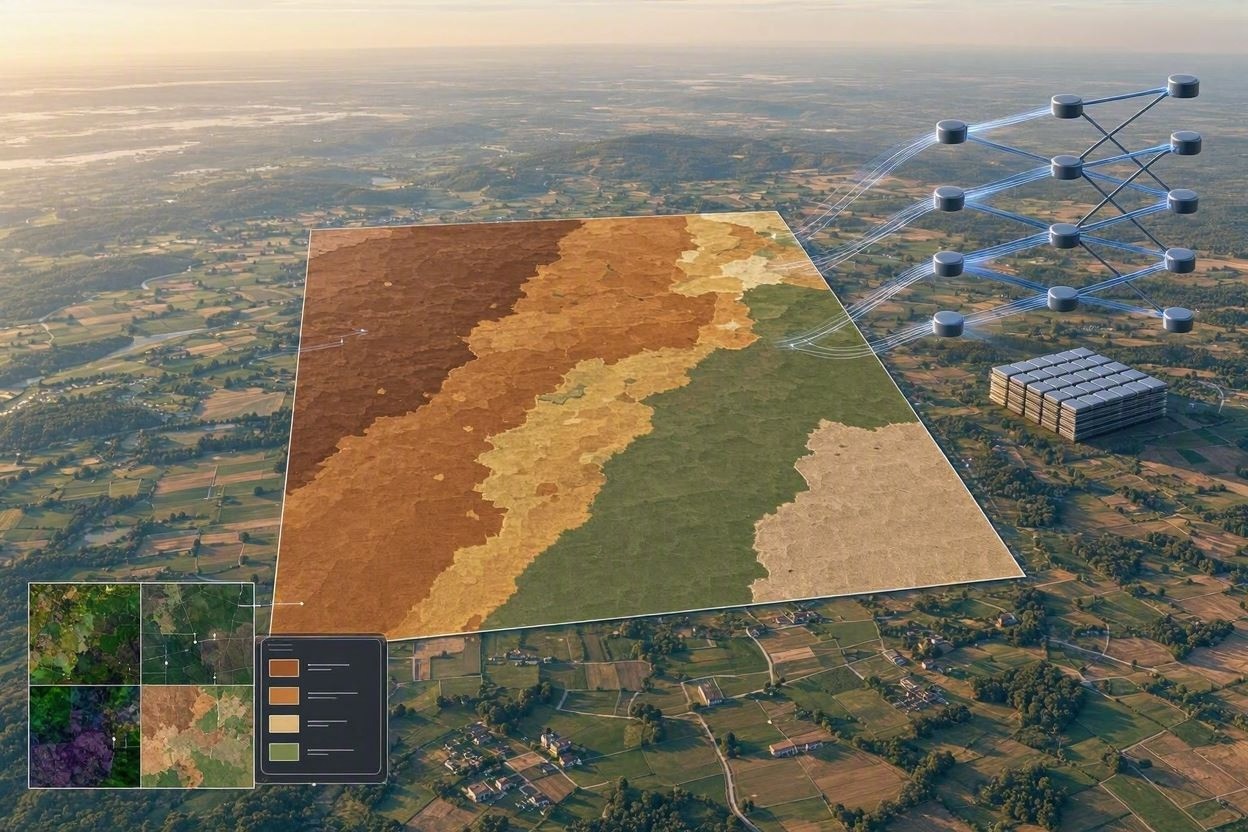
Accurate soil classification is one of the foundations of profitable and sustainable agriculture. Texture, organic matter, salinity, drainage, and mineral composition influence nearly every field decision, from crop selection to fertilizer rates. Traditionally, agronomists have relied on soil surveys, laboratory tests, and field scouting. These methods remain essential, but they are expensive, time-consuming, and often too sparse to capture variation within large or fragmented farms. Neural networks trained on satellite imagery are changing this workflow by turning remote sensing data into practical soil intelligence.
59
09.10.2026
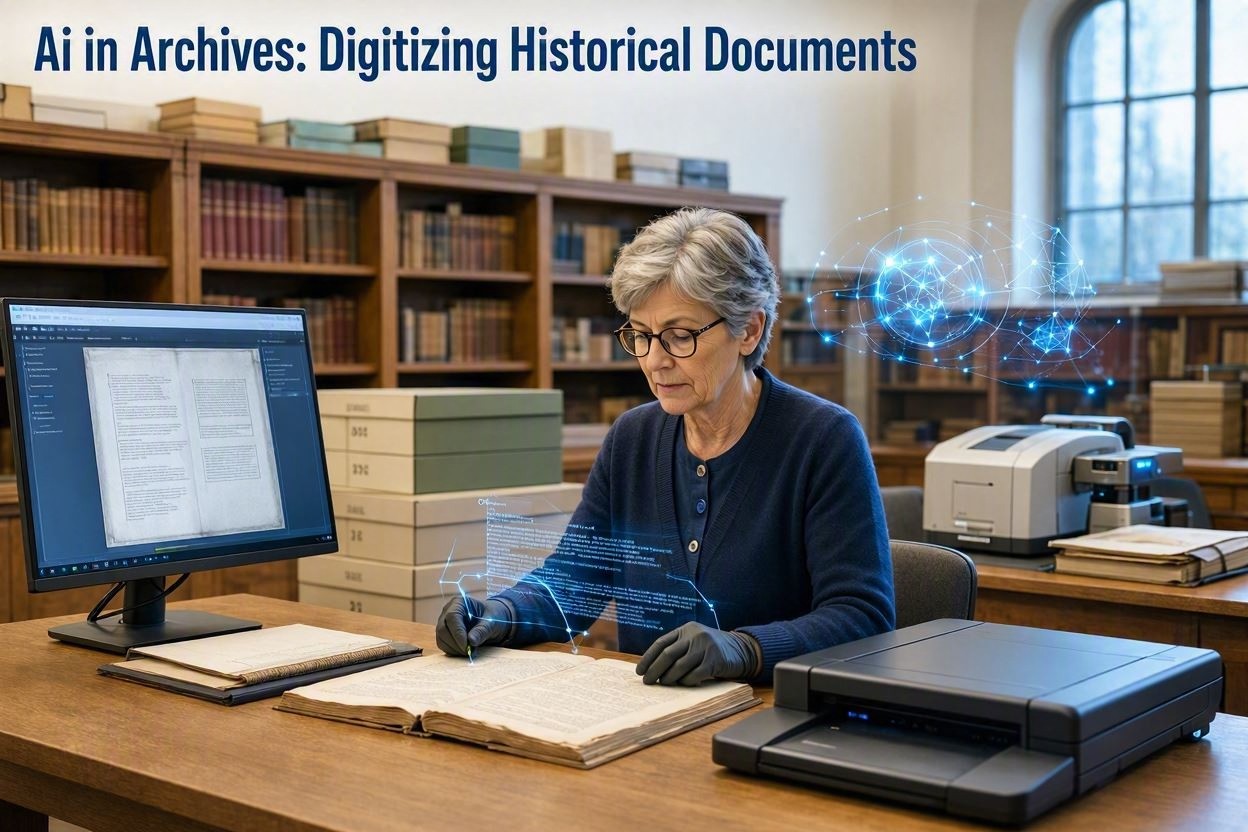
Archives hold letters, maps, ledgers, court records, photographs, newspapers, and institutional files that explain how societies lived, worked, governed, and remembered. For decades, archivists have protected these materials while facing a difficult problem: the volume of records is far greater than the time and staff available to describe them in detail. Artificial intelligence is changing that balance. Used carefully, AI helps archivists digitize historical documents faster, extract searchable information, and create richer catalogues without replacing professional judgment.