

In recent years, there has been a significant advancement in the field of Artificial Intelligence (AI) and Augmented Reality (AR). These technologies have become increasingly popular and have the potential to enhance virtual experiences in various fields such as gaming, education, healthcare, and...
An Algorithm Analyzes Call Center Staff Performance and Identifies Areas for Growth
47
12.10.2026
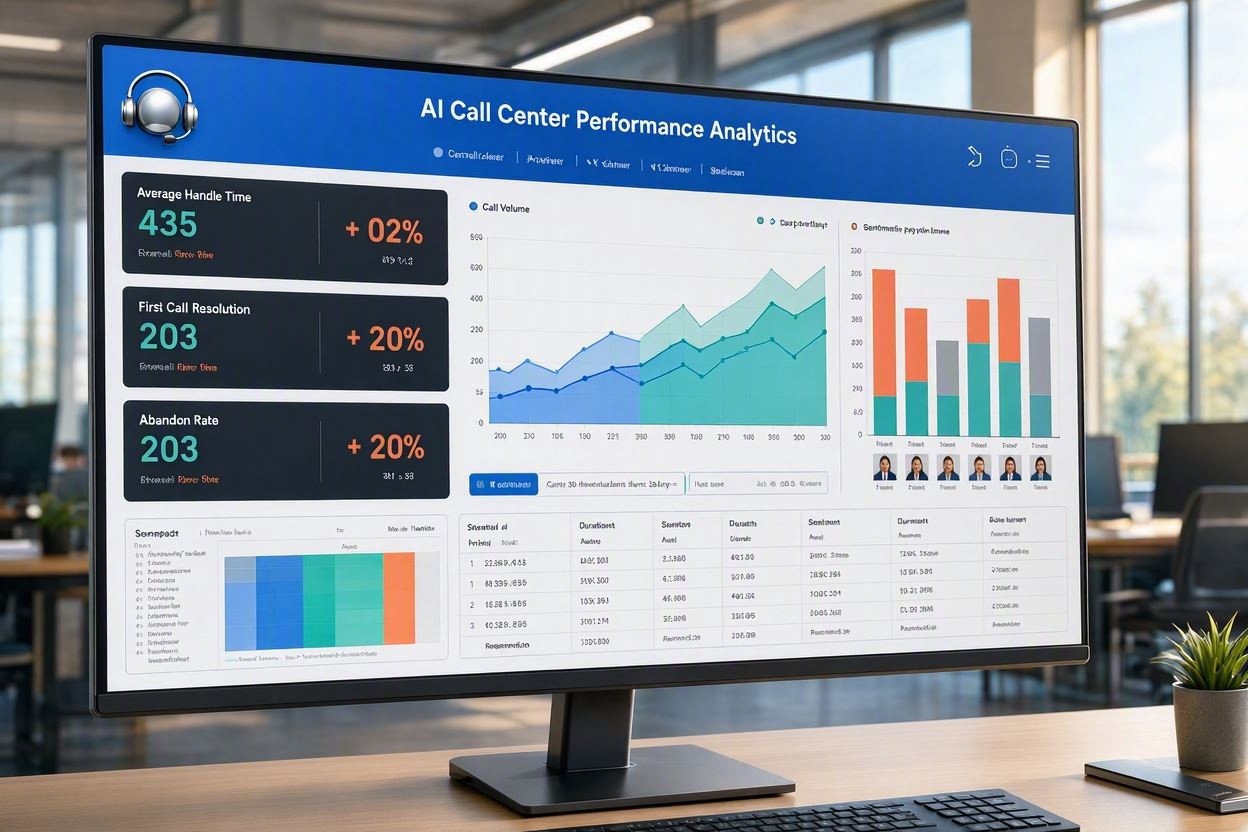
Modern call centers generate thousands of customer interactions every day, yet many teams still rely on manual call reviews, fragmented reports, and supervisor impressions to evaluate employee performance. An algorithm designed for call center analytics changes this process by examining conversations, operational metrics, and customer outcomes at scale. Instead of replacing managers, it gives them a clearer, faster, and more consistent way to understand how agents work and where they can improve.
How Performance Analysis Works
A call center performance algorithm collects data from multiple sources, including call recordings, transcripts, customer relationship management systems, quality assurance forms, and post-call surveys. It then looks for patterns that are difficult to detect manually. These patterns may include how long customers wait, how often agents interrupt callers, whether compliance phrases are used correctly, and how frequently issues are resolved during the first contact.
Speech and Text Analysis
Natural language processing helps the system understand what was said during a conversation. It can detect keywords, topics, customer intent, sentiment, and emotional shifts. For example, if a customer begins calmly but becomes frustrated after repeated transfers, the algorithm can flag that interaction for review. This allows supervisors to focus on meaningful coaching moments rather than listening to random samples.
Operational Metrics
The algorithm also evaluates measurable performance indicators. Average handle time, after-call work, hold duration, escalation rate, first contact resolution, and schedule adherence all reveal important details. However, these metrics must be interpreted carefully. A short call is not always a good call, and a long call is not always a poor one. The best systems connect efficiency data with quality and customer satisfaction.
What the Algorithm Can Identify
When properly configured, performance analytics can highlight both strengths and development opportunities for each agent. This creates a more personalized approach to staff growth.
- Agents who build strong rapport but need help reducing call duration.
- Employees who follow scripts accurately but struggle with empathy.
- Team members who resolve complex issues but require compliance coaching.
- New hires who need targeted support on product knowledge.
- High performers whose techniques can be shared across the team.
Skill Gaps and Training Needs
One of the most valuable outcomes is the ability to identify specific skill gaps. Instead of telling an employee to “improve communication,” a supervisor can say, “Your calls show strong problem-solving, but customers often ask you to repeat next steps. Let’s work on summarizing actions at the end of each conversation.” This level of detail makes coaching more practical and easier to act on.
Trends Across Teams
The same technology can reveal broader operational trends. If multiple agents receive low sentiment scores during billing calls, the problem may not be individual performance. It could indicate confusing policies, poor system access, or a broken process. In this way, the algorithm helps leaders separate training issues from structural business problems.
Benefits for Managers and Agents
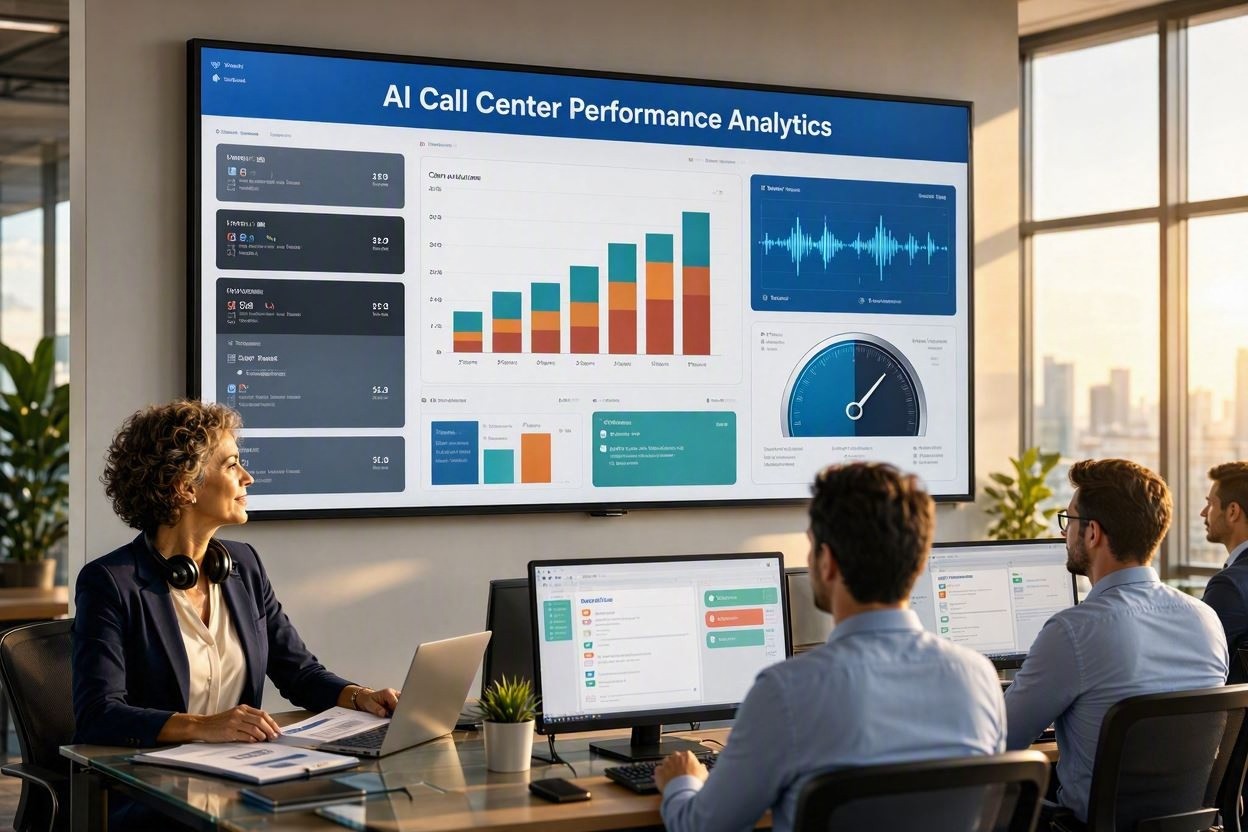
For managers, automated performance analysis reduces the time spent on repetitive monitoring and increases the time available for meaningful coaching. Instead of reviewing a small sample of calls, supervisors can use insights from a much larger data set. This leads to fairer evaluations and fewer decisions based on isolated interactions.
For agents, the benefit is clarity. Employees often want to improve but do not know which behaviors matter most. A transparent analytics system can show measurable progress over time, making development feel less subjective. It can also recognize excellent work that might otherwise go unnoticed, especially in high-volume environments.
Best Practices for Responsible Use
Performance algorithms should support people, not punish them. To be effective and trusted, the system must be implemented with clear rules, human oversight, and strong data governance.
- Explain to agents what data is collected and how it is used.
- Combine algorithmic insights with supervisor judgment.
- Review models regularly for bias or inaccurate scoring.
- Use analytics for coaching before using it for formal discipline.
- Protect customer and employee data with strict security controls.
Human Oversight Matters
No algorithm fully understands context. A difficult caller, a system outage, or an unusual policy exception can affect performance metrics. Supervisors should review flagged interactions, listen to the conversation, and consider circumstances before making decisions. The algorithm provides evidence, but people must interpret it responsibly.
Turning Insights Into Growth
The real value of call center analytics is not the score itself. It is the action that follows. When insights are connected to coaching plans, targeted training, peer mentoring, and process improvement, performance data becomes a growth engine. Agents receive clearer feedback, managers make better decisions, and customers experience faster, more empathetic support.
An algorithm that analyzes call center staff performance can transform quality management from a reactive task into a continuous improvement system. Used ethically and intelligently, it helps organizations identify areas for growth, strengthen employee confidence, and deliver service that customers remember for the right reasons.